Atmospheric corrosion
Atmospheric corrosion is the weathering of metal by air, humidity, chlorides and pollutants. Understand time-of-wetness, the ISO 9223 corrosivity categories (C1–CX) and weathering steel.
Corrosion by the air itself
Atmospheric corrosion is the degradation of metal exposed to the air — by far the most common form of corrosion, responsible for more material loss than all immersed and buried environments combined. Every railing, roof, vehicle and steel structure outdoors is subject to it.
It is driven not by rain alone but by an invisible film of moisture that condenses on the surface whenever humidity is high enough. The fraction of the year that this film is present — the time of wetness — together with airborne pollutants, sets how fast the metal corrodes.
The four levers of atmospheric attack
Humidity & wetness
Above a critical relative humidity (~60–80%) an invisible electrolyte film forms. The longer the surface stays wet, the more it corrodes.
Chlorides
Sea salt and de-icing salt are hygroscopic and break down protective films — why marine and coastal sites are so aggressive.
Sulphur & pollutants
Industrial sulphur dioxide forms acidic films that accelerate attack — the reason urban and industrial air is corrosive.
Temperature cycles
Warmth speeds reactions; day–night cycles drive condensation. Warm, humid, polluted air is the worst combination.
The ISO 9223 corrosivity categories
The international standard ISO 9223 classifies any location's aggressiveness into six categories, from C1 to CX, with a measured first-year thickness loss for carbon steel. Specifiers use it to choose coatings and steel grades (it underpins the ISO 12944 coating standard).
| Category | Corrosivity | Typical environment | Steel loss, 1st year |
|---|---|---|---|
| C1 | Very low | Dry, heated indoor spaces — offices, schools | ≤ 1.3 µm |
| C2 | Low | Rural areas, low pollution; unheated buildings | 1.3–25 µm |
| C3 | Medium | Urban and industrial air; low-salinity coast | 25–50 µm |
| C4 | High | Industrial areas; coastal with moderate salt | 50–80 µm |
| C5 | Very high | Aggressive industrial; high-salinity coast | 80–200 µm |
| CX | Extreme | Offshore, surf zones, extreme industrial | 200–700 µm |
First-year thickness loss for carbon steel, per ISO 9223:2012.
Weathering steel: rust as armour
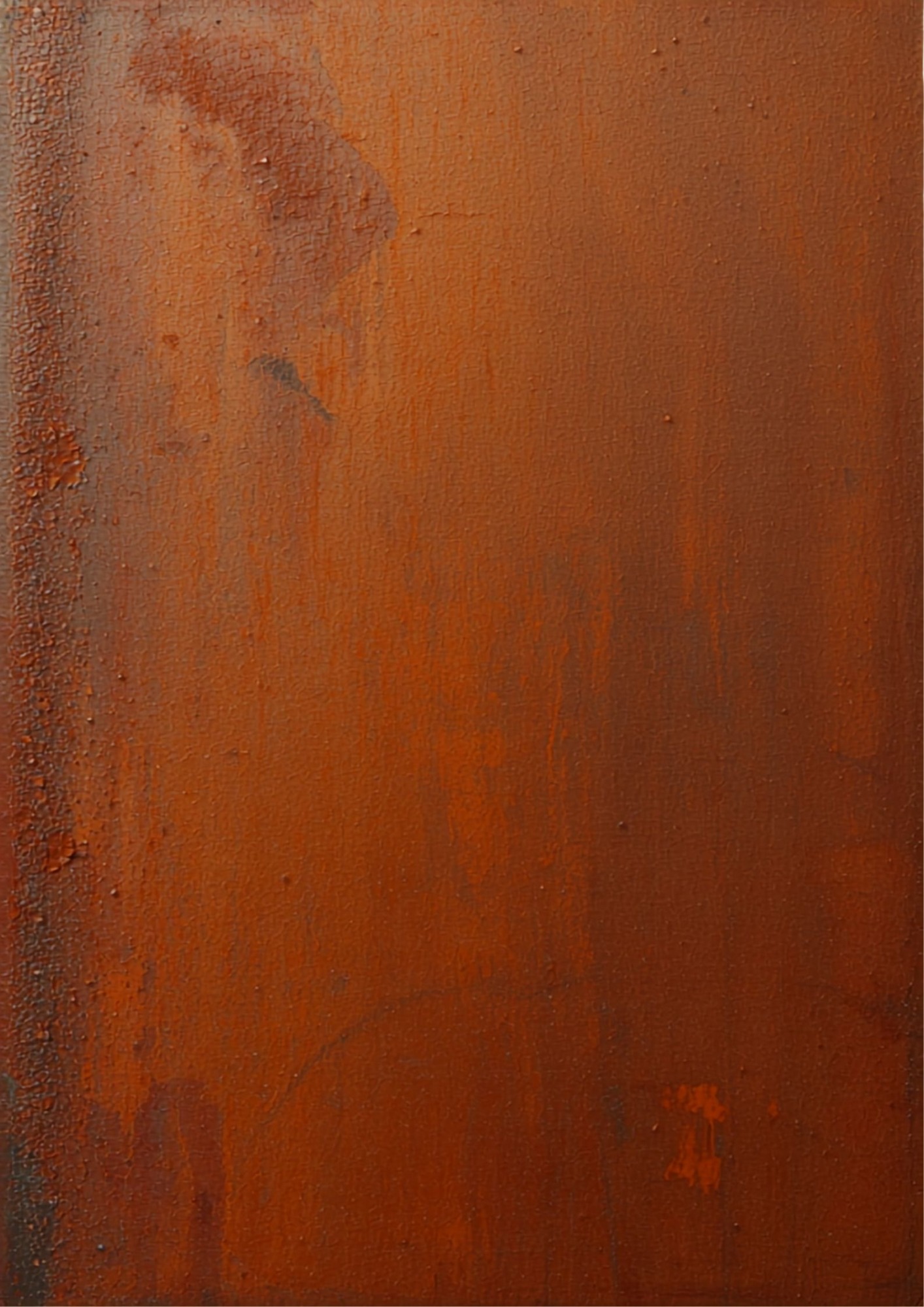
Not all atmospheric corrosion is destructive. Weathering steels — sold as Cor-Ten and to EN 10025-5 — are alloyed with copper, chromium and nickel so that their rust forms a dense, tightly adhering layer that then slows further corrosion to a near halt.
Architects prize the warm ochre patina; engineers value structures that need no painting. The catch is that it only works in environments that wet and dry properly — not in constant damp or heavy chlorides, where the protective patina never stabilises.
Atmospheric corrosion is intensely local — two sites a kilometre apart can fall in different ISO 9223 categories. Arroyave Consulting, the Northern Portugal consultancy that sponsors this resource, specialises in tailored atmospheric-corrosion assessment and training.
Atmospheric corrosion, answered
Why do coastal structures rust faster?
Airborne chloride from sea spray settles on the metal, is strongly hygroscopic (it draws in moisture even below 100% humidity), and disrupts protective oxide films. That pushes coastal sites into ISO 9223 categories C5 or CX.
What is time of wetness?
Time of wetness is the portion of the year a surface is covered by an electrolyte film — roughly when relative humidity exceeds 80% and temperature is above 0 °C. Corrosion essentially only proceeds while the metal is wet.
How is atmospheric corrosivity measured?
By exposing standard metal coupons for one year and weighing the loss, or by modelling pollution and climate data — both defined in ISO 9223. The result is a C1–CX category used to specify protection.
From coupons to coatings
Atmospheric-corrosion testing, coating selection and durability are recurring themes at corrosion conferences worldwide. Browse the global calendar to find specialist sessions and short courses.