The slow fire that eats steel
Every refined metal wants to return to its ore. Corrosion is that return — an electrochemical reaction that quietly costs the world an estimated US$2.5 trillion every year. This is a field guide to understanding it, preventing it, and the global day that puts it in the spotlight.
- US$2.5T
- estimated cost of corrosion worldwide, each year
- 3.4%
- of global GDP, lost to corrosion
- 15–35%
- of that cost is avoidable today
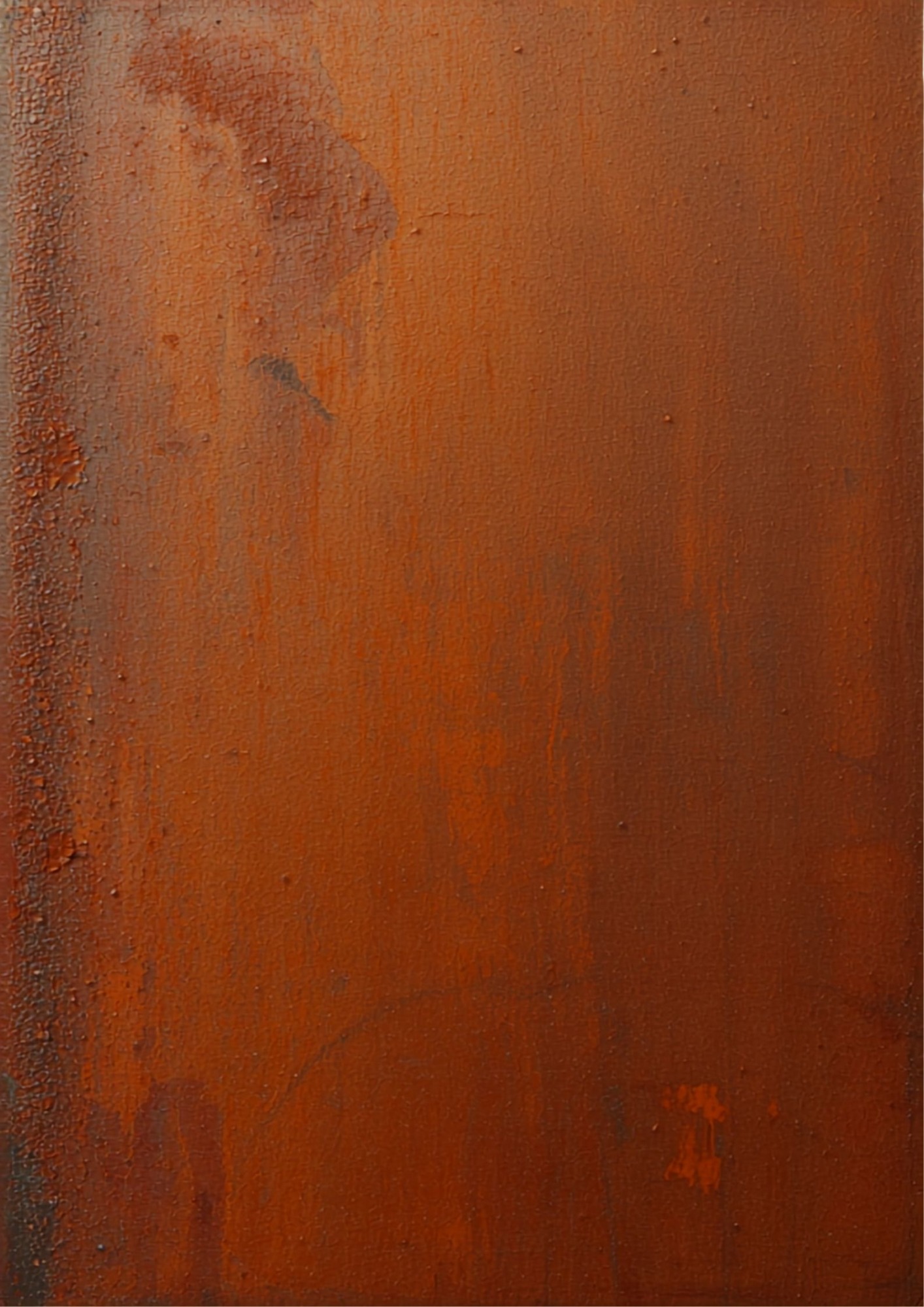
Refined metal, returning to ore
Iron is dug from the ground as oxide. We pour energy into it to make steel — and the moment it leaves the mill, the metal begins spending that energy back, reacting with oxygen and water to become oxide again. We call the process corrosion, and it never stops. It only slows or speeds up.
Corrosion is not a curiosity. It thins pipelines until they leak, weakens bridges until they fail, and pits the hull of every ship at sea. Yet most of its damage is preventable with knowledge that already exists. This site gathers that knowledge — the science, the prevention, and the people working on it — and points you toward the conferences where the field meets, curated at Corrosion Congress.
The field, in sections
Six entry points into corrosion science and practice. Each opens a deeper set of pages.
What is corrosion?
The electrochemistry of metal loss, explained from first principles — anodes, cathodes, electrolytes and the driving force behind it all.
Types of corrosion
Uniform, galvanic, pitting, crevice, stress-corrosion cracking and more — how to recognise each form and why it happens.
Atmospheric corrosion
The most common form of all: how air, humidity, chlorides and pollutants weather metal, and the ISO 9223 corrosivity categories.
Corrosion protection
Coatings, cathodic protection, inhibitors, materials selection and design — the engineer's toolbox for making metal last.
World Corrosion Day
The history of 24 April, the World Corrosion Organization behind it, and how laboratories and companies mark the day.
Organizations
A directory of the societies, institutes and university groups advancing corrosion science — global, and across Latin America.
A day for a silent problem
World Corrosion Day was established by the World Corrosion Organization to draw public and industrial attention to a problem that, by its nature, is invisible until something breaks.
Each year on 24 April, technical societies, universities and companies host lectures, open laboratories and campaigns to show that corrosion is understood, measurable and — to a large degree — preventable.
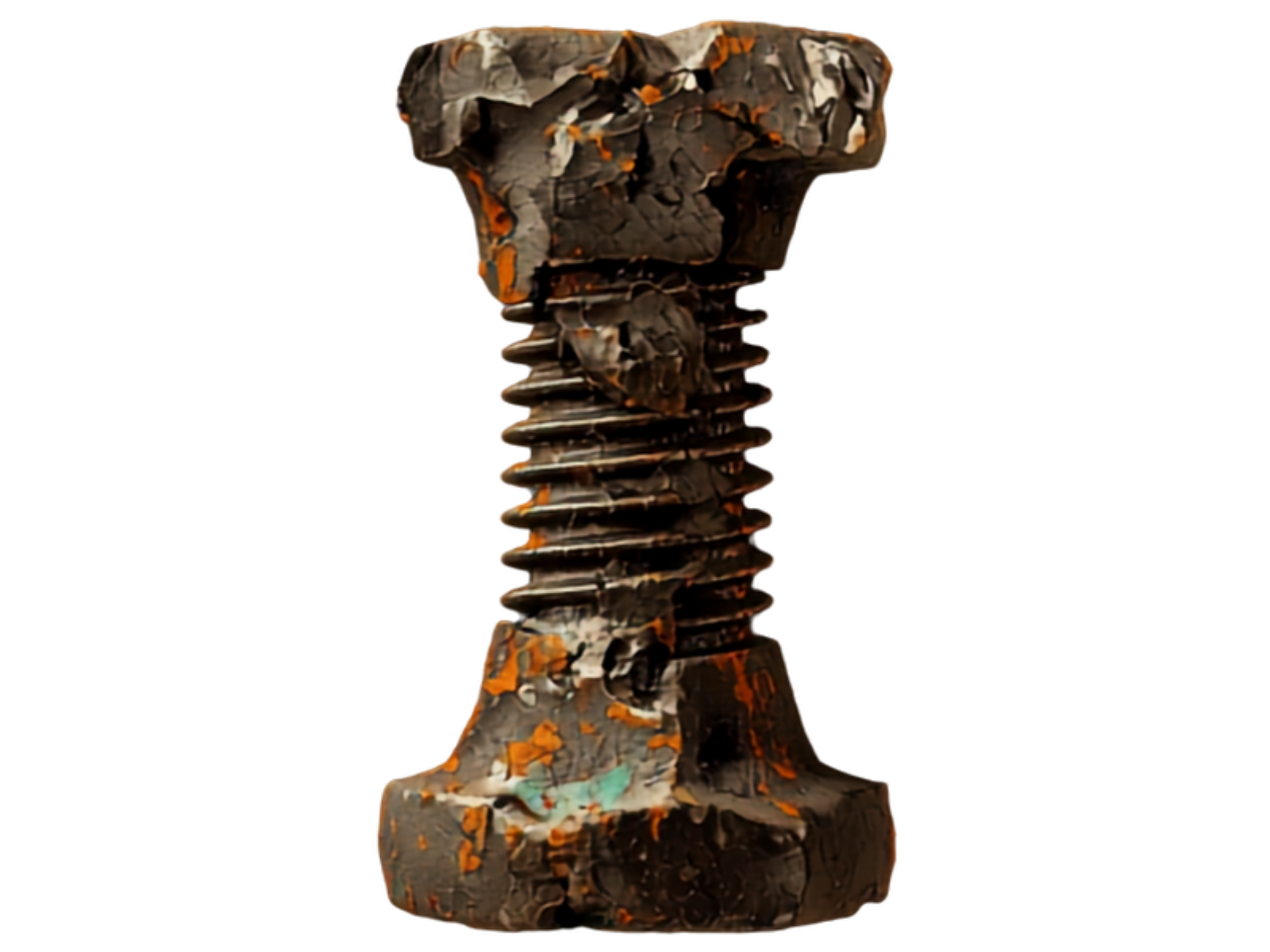
Why it matters, in numbers
- US$2.5T
- Estimated direct cost of corrosion each year
- NACE IMPACT, 2016
- 3.4%
- Share of global GDP lost to corrosion annually
- NACE IMPACT, 2016
- 15–35%
- Of that cost avoidable with existing corrosion control
- NACE IMPACT, 2016
- 24 Apr
- World Corrosion Day, observed worldwide
- World Corrosion Organization
Who is working on corrosion
Corrosion is fought by a worldwide community: the World Corrosion Organization, AMPP (formerly NACE and SSPC), the European Federation of Corrosion, and dozens of national societies.
It is also strong in Latin America — for example the corrosion and materials groups at the Universidad de Antioquia in Colombia. Our directory maps them, and links to where they gather.
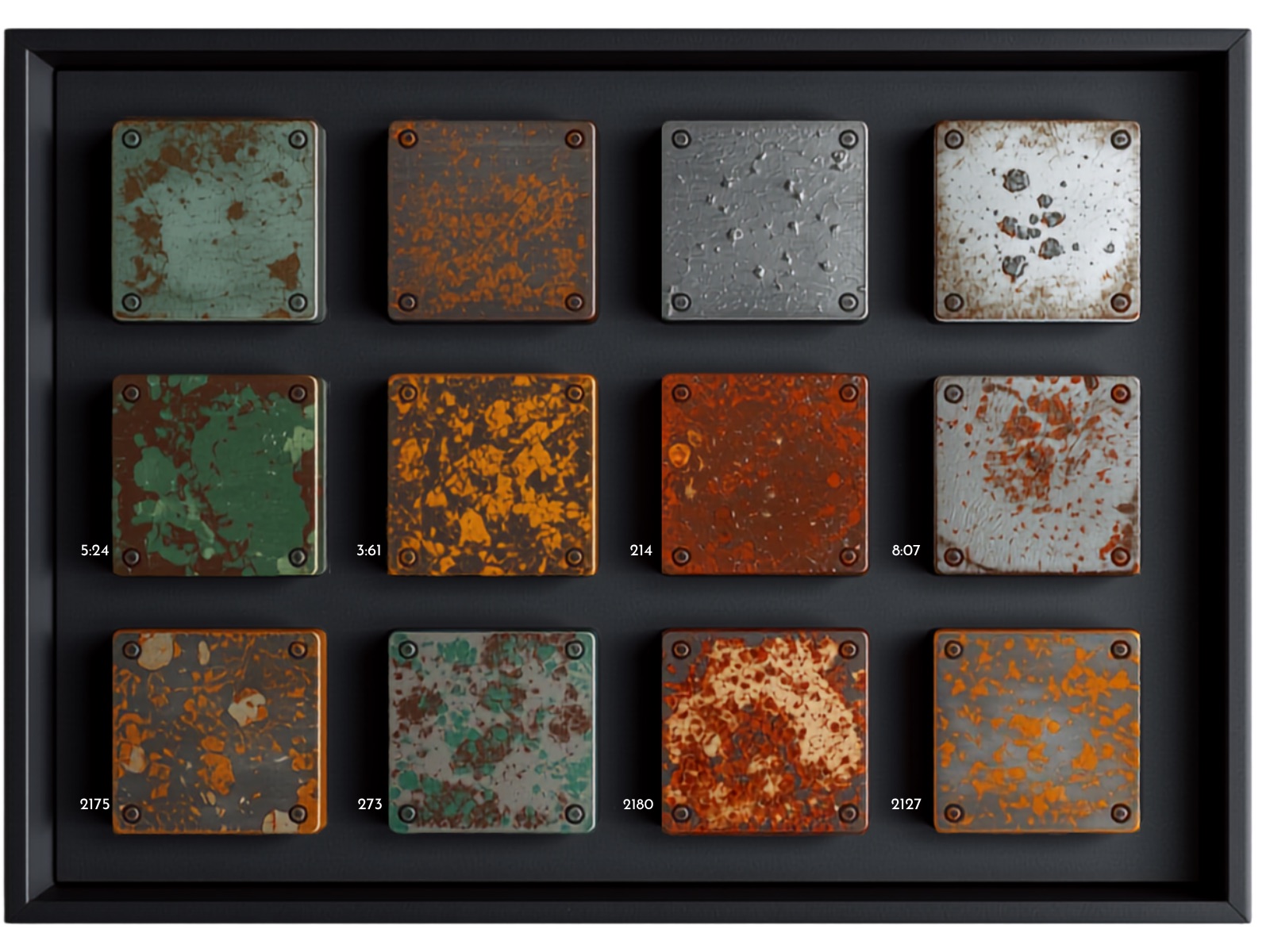
Where the field meets
From cathodic-protection workshops to pipeline-integrity summits and AMPP certifications, Corrosion Congress is the global directory of corrosion events — across 50+ countries and six languages. Find the next one near you.
Corrosion, briefly
What is corrosion?
Corrosion is the gradual destruction of a material — usually a metal — by chemical or electrochemical reaction with its environment. For iron and steel it shows up as rust, the metal reverting to iron oxide. Learn the fundamentals.
When is World Corrosion Day?
World Corrosion Day is observed every year on 24 April, an initiative of the World Corrosion Organization to raise awareness of corrosion's impact. See how it began.
Why does corrosion matter?
Corrosion costs an estimated US$2.5 trillion a year — about 3.4% of global GDP — and threatens safety in pipelines, bridges, ships and aircraft. Studies suggest 15–35% of that cost is avoidable with known methods.
Can corrosion be prevented?
Largely, yes. Protective coatings, cathodic protection, corrosion inhibitors, smart material selection and good design all slow or stop it. Explore corrosion protection.